Early adopters are critical for startups. They’re the first to try new products, providing feedback that shapes development and drives growth. This article explores how three companies – Tinder, Loom, and Peacebeam – successfully engaged early adopters by targeting specific communities, collecting feedback, and measuring key metrics.
Key takeaways include:
- Tinder: Focused on U.S. college campuses, leveraging social groups like fraternities and sororities to build buzz and drive app adoption.
- Loom: Used Product Hunt to attract tech-savvy professionals and incorporated user feedback into rapid product iterations.
- Peacebeam: Conducted research-driven experiments to identify mindfulness-focused audiences and refine its messaging.
Each company prioritized niche communities, created feedback loops, and tracked metrics like activation rates and retention to refine their strategies. These approaches helped them build strong foundations and scale effectively.
Case Study 1: Tinder‘s Campus Launch Strategy
Targeting Tight-Knit Communities
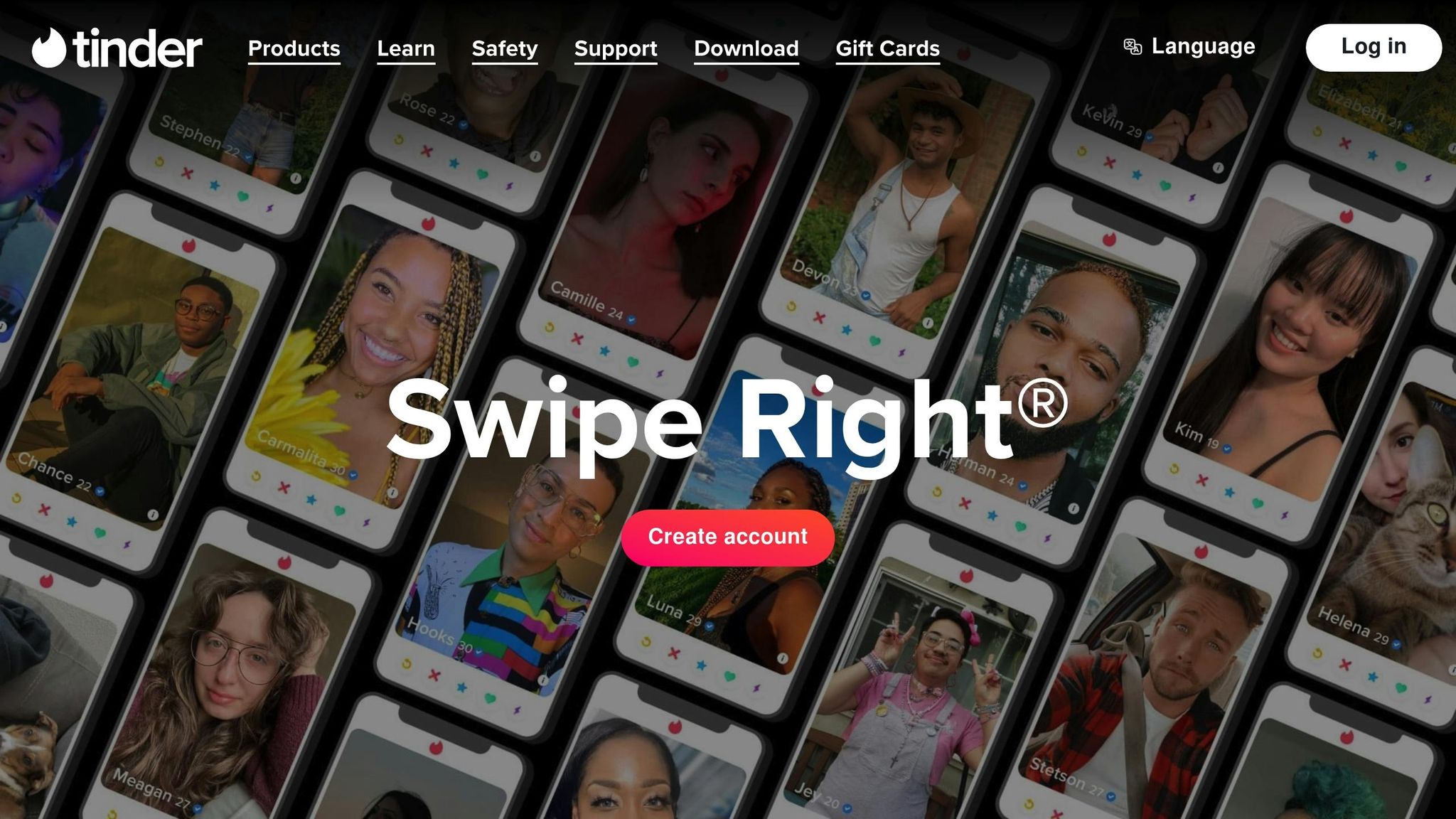
Tinder’s early rise to popularity can be traced back to its strategic focus on U.S. college campuses. The team understood that college students were naturally inclined toward social discovery and that campuses provided dense, interconnected networks where users could quickly recognize familiar faces.
The secret was starting small. Instead of trying to appeal to entire campuses, Tinder homed in on fraternities and sororities – close-knit groups with strong internal communication and social influence. These micro-communities became the launching pad for word-of-mouth buzz, which then spread across the broader campus network.
Whitney Wolfe Herd, one of Tinder’s co-founders, took a hands-on approach by personally visiting college campuses. She attended fraternity and sorority events, pitching Tinder directly to students. By presenting the app as a fun and casual way to meet people nearby, she shifted the perception of Tinder from a dating app to a social tool that seamlessly fit into campus life.
To amplify its appeal, Tinder added a layer of exclusivity and social proof. They hosted events where attendees gained access or perks by downloading the app. For example, at parties, students were encouraged to install Tinder at the door, making it feel like an insider must-have. When influential fraternity and sorority members started using the app, it created a ripple effect, signaling to others that Tinder was worth trying. The team even sequenced their outreach by targeting sororities first, ensuring fraternity members saw familiar faces when they joined, which boosted early engagement.
This hyper-focused strategy set the stage for direct, hands-on product demonstrations that turned curiosity into action.
Real-Time Product Demonstrations
Tinder didn’t just rely on word-of-mouth; they brought the app to the students. At campus events, Tinder team members and student ambassadors actively helped attendees download the app, set up their profiles, and swipe for the first time – all in a relaxed, social setting.
This hands-on approach eliminated setup barriers. Students didn’t just download Tinder; they immediately experienced its core appeal – seeing matches and familiar faces nearby. This instant gratification, especially when shared with friends, turned first-time users into active participants.
Campus ambassadors played a pivotal role in this strategy. Acting as trusted peers, they hosted events, recommended the app authentically, and provided on-the-spot assistance with installations and profiles. Their continued presence on campuses ensured that each incoming wave of students was introduced to Tinder in a relatable and engaging way.
Offline tactics also played a role. The team distributed flyers, set up tables at high-traffic campus spots, and tailored their messaging to fit college social life – highlighting dating, parties, and meeting new people. This "boots-on-the-ground" approach created tight local networks, making the app feel immediately useful and fun.
Results and Metrics
Tinder’s campus-first strategy paid off in a big way. Through campus events and real-time demos, the app gained around 15,000 users early on, all without relying heavily on paid digital ads.
Engagement levels were impressive. Once local networks reached a critical mass, students opened the app multiple times a day. Tinder tracked key metrics like total installs per campus, daily and weekly active users, sessions per user, and the number of matches or swipes.
To measure campus adoption, the team monitored the percentage of students installing the app and how often users connected with others from their school. Campuses with rapid growth and dense match activity were prioritized for additional events, while insights from slower campuses helped refine messaging and strategies.
This targeted, hands-on approach not only drove strong early engagement but also set the stage for viral growth across the U.S., proving how focusing on tightly connected communities can create lasting momentum.
Why Are Early Adopters So Important For Startup Growth? – The Startup Growth Hub
Case Study 2: Loom‘s Product-Led Beta Launch
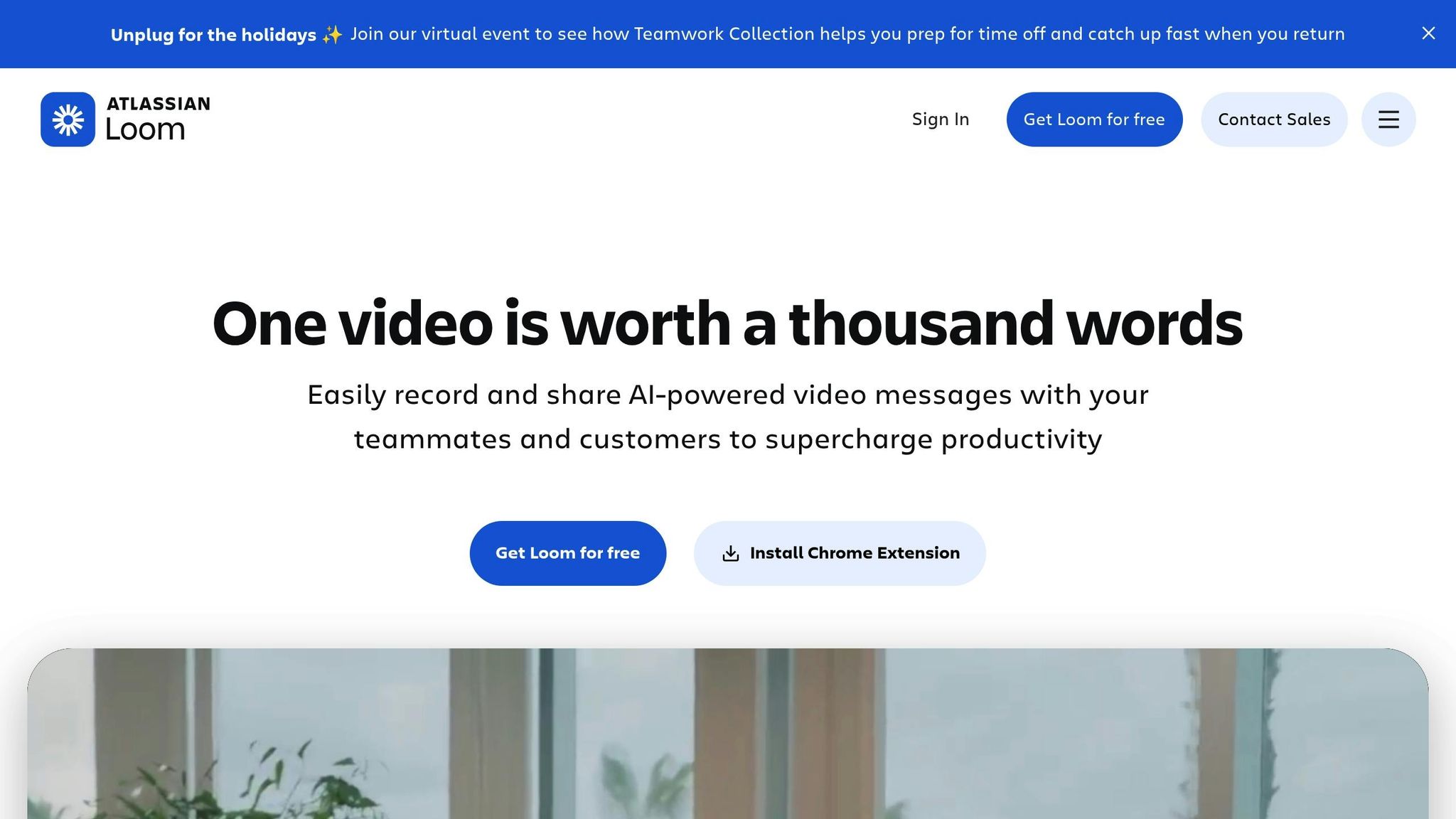
Loom created an intuitive product experience that allowed users to quickly grasp its value and effortlessly share it within their teams. By combining a thoughtful launch strategy with constant improvements based on user feedback, Loom turned its early adopters into enthusiastic advocates, fueling organic growth.
Using Product Hunt for Visibility
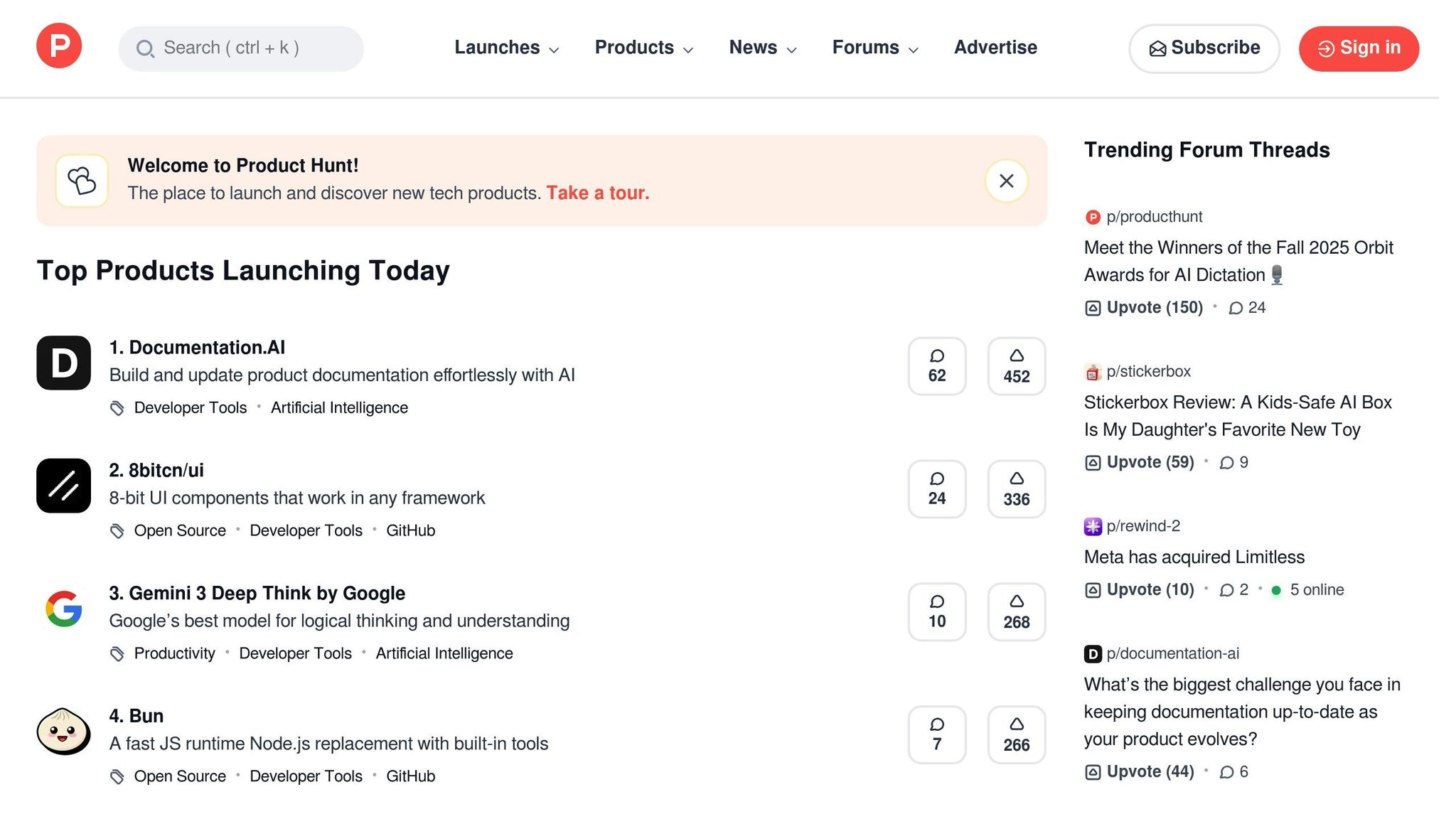
Loom strategically chose Product Hunt as its launch platform, targeting tech-savvy professionals and remote teams. This decision wasn’t random – Product Hunt’s community was already exploring new SaaS tools and looking for ways to simplify communication, making them ideal candidates for Loom’s video messaging solution.
The team crafted a clear narrative focused on replacing lengthy email chains and meetings with quick, asynchronous video messages. Their Product Hunt listing featured eye-catching visuals and a concise explanation of the simple "record-send-watch" workflow, making it immediately clear how Loom worked and why it was useful.
Timing was key. Loom launched during Product Hunt’s peak hours for U.S. audiences, ensuring maximum exposure when decision-makers and early adopters were most active. The founding team stayed highly engaged throughout the day, responding to comments and feedback in real time. They also rallied their network to support the listing, building momentum and credibility.
This approach paid off. The Product Hunt campaign attracted about 3,000 early adopters, many of whom quickly integrated Loom into their daily routines. These weren’t casual users – they were individuals and teams who immediately saw value in the tool and started using it regularly.
What made this strategy so effective was the alignment between Loom’s product and Product Hunt’s audience. This wasn’t just about traffic; it was about reaching a concentrated group of users who understood SaaS, valued efficiency, and had the authority to introduce new tools to their teams. These early adopters didn’t just use Loom – they championed it, spreading the word within their organizations.
This strong start created the foundation for Loom’s rapid growth and product improvements, driven by user feedback.
Prioritizing Feedback for Fast Iteration
Loom embedded feedback collection directly into the product, turning users into active contributors to its development.
The company used in-product prompts and brief surveys to gather insights at key moments. For instance, after a user completed their first recording or shared a video link, a feedback widget would appear, asking targeted questions about their experience. These prompts were short and contextual, ensuring they captured fresh reactions without disrupting the workflow.
Users could also provide open-ended feedback through optional text fields, sharing what they found confusing or enjoyable. This qualitative input uncovered patterns that analytics alone couldn’t reveal. For example, users frequently mentioned unclear sharing permissions or slow video processing times. These recurring themes helped Loom prioritize feature updates.
To manage feedback effectively, Loom categorized it into areas like onboarding, sharing, collaboration, and technical performance. The team then scored each item based on user impact, frequency of mention, and effort required to implement. This system allowed them to focus on the most important changes without getting overwhelmed by the volume of suggestions.
Loom adopted short release cycles, rolling out frequent, incremental updates. These included improvements like faster video processing, better link previews, clearer permissions, and smoother onboarding. While each update was small, together they significantly reduced friction and boosted engagement.
This responsiveness built trust. When users saw their feedback translated into tangible improvements, they became more invested in the product and more willing to share detailed suggestions. This created a positive feedback loop, where early adopters felt like active participants in Loom’s success.
By focusing on the most pressing issues and impactful features, Loom avoided the pitfall of trying to build everything. They stayed true to their mission of making video communication fast and simple, while refining the experience based on real-world usage.
Key Success Metrics
Loom tracked specific metrics to measure whether the product was becoming a regular part of users’ workflows or just a one-time experiment. These weren’t vanity metrics – they were actionable indicators of engagement and product-market fit.
One of the most critical metrics was activation rate, which measured the percentage of users who recorded their first video and shared it within a short timeframe. This two-step activation showed that users understood Loom’s core value and were integrating it into their workflows.
They also monitored weekly and monthly retention rates, which indicated how many users returned after their first session. High retention signaled that Loom was solving a genuine problem, not just attracting initial curiosity. For SaaS products, retention often predicts long-term success better than total signups.
Another key metric was videos recorded per active user, which served as a proxy for engagement depth. Users who created multiple videos each week demonstrated that Loom had become an essential communication tool. The team paid close attention to these power users, often reaching out for detailed feedback on how they were using the product.
Loom also measured how often shared video links were opened and replayed. When recipients watched videos multiple times or shared them further, it indicated that the content was valuable and the format was effective. This metric also revealed Loom’s viral potential – every shared link was an opportunity to convert a viewer into a new user.
Together, these metrics painted a clear picture of Loom’s progress. High activation and retention rates, along with frequent video creation and link engagement, confirmed that the product was on the right track. If any metric lagged, it highlighted areas that needed attention.
Research on similar strategies shows that aligning product features with well-defined user personas can boost feature adoption by about 50% and improve customer retention by roughly 15% over six months. Loom’s focus on knowledge workers, remote teams, and specific use cases like status updates and bug reports demonstrated the power of this targeted approach.
The beta phase also highlighted the effectiveness of Loom’s built-in viral loop. The core action – recording a video and sharing a link – naturally introduced new viewers to the product. Many of these viewers became users themselves after experiencing how Loom simplified communication, driving organic growth with minimal marketing spend.
Case Study 3: Peacebeam‘s Mindfulness App GTM Experiment
Peacebeam approached its go-to-market (GTM) strategy with precision and purpose. Instead of casting a wide net and hoping for traction, the team focused on a series of targeted experiments to pinpoint the most receptive audiences and the best ways to connect with them. This case study highlights how a small startup can use structured testing to engage early adopters without wasting resources on ineffective channels.
Identifying Target Audiences
The first step for Peacebeam was talking directly to potential users. Jane, the founder, and Rachel, the co-founder, conducted in-depth interviews to understand daily routines, stress triggers, and existing mindfulness habits. These conversations helped the team identify key moments when users felt overwhelmed and explore which solutions had worked – or failed – for them. From this research, they developed detailed personas, such as the "overloaded knowledge worker" juggling back-to-back meetings and the "mindfulness-curious student" new to wellness practices.
To validate these personas further, the team analyzed competitors like Headspace, Smiling Mind, and The Mindful Kind. They discovered gaps in the market, such as long session durations and abstract wellness language that didn’t resonate with users facing real, everyday stress. Peacebeam defined their ideal early adopters as individuals who deeply felt the problem, had already tried other solutions, and were open to providing structured feedback through surveys, calls, or co-creation sessions. By screening for these traits, they ensured their early users could play an active role in shaping the product. This clear understanding of their audience set the stage for testing various value propositions.
Testing Value Propositions and Channels
Peacebeam designed experiments to test different value propositions and distribution methods. Messaging was tailored to specific audiences: professionals were shown benefits like "recharge in 5 minutes between meetings", while wellness enthusiasts were drawn in with phrases like "calming audio for anxious commutes."
The team explored both direct and indirect channels. Direct channels included in-person and virtual workshops, targeted social media campaigns, email outreach, and sessions with local communities or coworking spaces. Indirect channels involved endorsements from community partners, mentions in newsletters and podcasts, and traffic through search and referrals. For example, one experiment tested whether a four-week micro-meditation workshop could attract 50 participants with a 30% conversion rate. By setting clear budgets, dates, and success metrics – like sign-ups and attendance – they could quickly identify which combinations of message, audience, and channel worked best. Initial responses were then used to refine their strategy.
Iterating Based on Engagement Metrics
Peacebeam tracked both funnel metrics, such as landing page visits, email sign-ups, workshop registrations, and app installs, as well as engagement metrics like meditation completion rates, repeat session frequency, and retention over the first week and month. Dashboards allowed the team to compare performance across channels. For instance, while workshops generated fewer immediate sign-ups than cold social outreach, the long-term engagement from workshop participants justified prioritizing similar initiatives.
User feedback was instrumental in shaping both the product and its marketing. Early adopters suggested shorter session lengths to accommodate busy schedules, clearer guidance for beginners, and themed series tailored to specific routines – like "pre-meeting reset" or "end-of-day decompression." Incorporating user language, such as "feeling scattered before meetings", into landing pages and emails made the messaging more relatable. Concrete benefits like a "5-minute reset" or "10-minute evening wind-down" resonated particularly well with U.S. audiences.
sbb-itb-772afe6
Key Takeaways and Cross-Case Patterns
The three case studies highlight recurring strategies that any startup can use to build momentum with early adopters. Instead of chasing large audiences or spending heavily on advertising, successful companies focus on tight-knit communities, create strong feedback loops, and measure the right metrics from the very beginning. These approaches align with the detailed strategies discussed earlier.
Targeting Niche Communities
Small, connected groups with shared interests are ideal for amplifying word-of-mouth. For example, Tinder’s campus-focused rollout helped it reach 15,000 users rapidly. Similarly, Peacebeam concentrated on localized engagement to connect with its core audience.
The takeaway here is that niche communities can have an outsized impact. Early adopters within these groups often become enthusiastic advocates, influencing others in their circles. By clearly defining user personas, startups can fine-tune their messaging, select the most effective channels, and develop features that address specific pain points.
Using Feedback Loops to Drive Product Evolution
Structured feedback from early users transforms them into invested partners. Loom, for instance, attracted 3,000 early adopters through a single Product Hunt launch and used their input to guide rapid product iterations, turning those users into loyal supporters.
As Intercom‘s co-founder Des Traynor demonstrated, sending hand-crafted emails to potential users can build trust and authenticity – a high-touch approach that pays off.
Setting Clear KPIs for Early Engagement
In addition to targeting communities and leveraging feedback, startups need clear metrics to measure success. Early-stage KPIs should focus on engagement depth rather than sheer volume. Instead of obsessing over total user numbers, startups should track actionable metrics like activation rates (the percentage of users who experience the core value), referral growth, retention cohorts, and feature adoption rates. For example, a persona-driven KPI strategy can improve conversion rates by 35%, lower customer acquisition costs by 20%, and increase retention by 15% within six months.
It’s important to set baseline targets for these metrics before launch and review them frequently with early adopter groups. Peacebeam, for instance, monitored funnel metrics such as landing page visits, email sign-ups, workshop registrations, and app downloads. They also tracked engagement metrics like session completion rates and repeat usage. While workshops might not generate as many immediate sign-ups as broader outreach efforts, they often lead to stronger long-term engagement, making them worthwhile.
Customized campaigns consistently deliver better results than generic ones. Personalized email campaigns tailored to specific user profiles have achieved click-through rates roughly 30% higher than generic messaging. By aligning KPIs with persona-based strategies, startups can confirm product-market fit and lay the groundwork for sustainable growth. Crafting messages that resonate with an audience’s unique needs is key to building lasting connections.
Insights from Code Story: Lessons from Founder Journeys
The Code Story podcast offers a fascinating glimpse into the experiences of tech leaders and founders as they navigate the complexities of building digital products. Through candid conversations, these founders share valuable lessons on engaging early adopters, managing pivots, and fostering team cultures centered on user feedback. These insights complement the strategies of companies like Tinder, Loom, and Peacebeam, providing a deeper understanding of what drives startup success.
Framing Early Wins and Pivots
For founders featured on Code Story, early wins are not seen as endpoints but as critical moments of validation. These initial successes – whether it’s a standout feature, effective messaging, or a promising distribution channel – offer key data points that guide product direction and boost team morale during uncertain growth phases. The real value lies in documenting what worked and leveraging that knowledge to scale thoughtfully.
A compelling example comes from Praveen Ghanta, founder of Fraction & DevHawk. In a November 2025 episode, Ghanta shared how his team discovered a unique hiring approach at a previous startup. This method was so effective that it drove the company’s growth all the way to its exit. Recognizing the broader potential, Ghanta decided to turn this approach into a business, offering fractional talent solutions for startups. His story highlights how early wins with a specific user group can uncover entirely new opportunities.
When user feedback challenges initial assumptions, founders often use it as a catalyst to realign their products with actual needs. Transparency is key during these pivots. Treating early adopters as partners in the product’s evolution – rather than as mere customers – helps maintain trust. Founders note that early adopters are more likely to forgive pivots when they see their feedback driving meaningful change, turning potential churn into deeper loyalty.
This hands-on approach to feedback is crucial. For instance, Airbnb‘s founders famously visited early hosts’ homes to better understand their needs. This personal engagement provided insights that surveys and data alone could never uncover, shaping the platform’s eventual design.
Aligning Team Culture Around User Feedback
Beyond early wins and pivots, successful founders emphasize the importance of embedding user feedback into the core of their team culture. From the outset, feedback from early adopters should influence sprint planning, feature prioritization, and the overall product roadmap. This isn’t about collecting feedback for the sake of it – it’s about making it a driving force behind how the organization operates.
Cross-functional alignment is essential. Teams across product, engineering, design, and marketing need to understand that user feedback isn’t optional – it’s central to the company’s strategy. Practical steps include holding regular all-hands meetings to share feedback, creating clear channels for team members to contribute insights, and tracking metrics like the time it takes to implement feedback or the adoption rates of new features.
When teams operate in silos, they risk missing valuable lessons from early users. But when everyone understands the importance of early adopter relationships, responsiveness becomes a competitive edge. This alignment ensures that the product evolves based on real user needs rather than speculation.
Successful founders also prioritize closing the feedback loop. When a user suggests a feature that gets implemented, explicitly acknowledging their contribution reinforces their sense of ownership and encourages ongoing engagement. This approach turns users into co-creators, fostering a deeper connection to the product’s success.
Building this kind of culture requires deliberate effort and consistent execution. It’s not something that happens on the side – it’s a core discipline that shapes how the team approaches product development. Founders who prioritize this early on create organizations that remain agile and user-focused, even as they grow.
Conclusion: Building Momentum with Early Adopters
Summary of Strategies and Results
The success stories of Tinder, Loom, and Peacebeam highlight a key lesson: momentum begins by zeroing in on a specific, well-defined niche. Tinder focused on college campuses, Loom targeted Product Hunt’s tech-savvy crowd, and Peacebeam connected with mindfulness-focused audiences. Instead of trying to cater to everyone, they honed in on these smaller, targeted communities, which led to faster and more meaningful adoption.
Each of these companies employed smart, focused strategies. Tinder’s campus promotions, Loom’s carefully planned beta launch, and Peacebeam’s research-driven approach all underscore the importance of tailoring efforts to a specific audience. This focus paid off. For example, one early adopter-centered initiative saw a 35% increase in website conversions, a 20% drop in customer acquisition costs, a 50% rise in feature adoption, and a 15% improvement in customer retention over just six months.
Equally important is the emotional connection fostered with early users. When early adopters feel like insiders – whether through beta access, direct communication with founders, or public recognition – they’re more likely to stay engaged. Incentives don’t always have to be monetary. Exclusive communities, opportunities for collaboration, and acknowledgment of user contributions can go a long way in building loyalty and encouraging referrals.
Next Steps for Founders
To replicate these results, founders should take deliberate steps to harness the power of early adopters. Start by identifying a specific segment to target – whether it’s a university, a professional group, or another niche. Focus on two or three key channels to reach them, and set a concrete short-term goal, such as securing your first 100–500 active users. This approach allows you to test ideas quickly and gather actionable insights without spreading resources too thin.
Within the next 30–60 days, launch a simple program that combines clear incentives, structured feedback, and regular updates. For example, you could create a private Slack group for feedback, host monthly video calls with the founding team, or offer early access to features in exchange for quick survey responses. The goal is to keep users engaged, contributing, and advocating for your product as it evolves.
Set measurable KPIs for the first three to six months. Focus on metrics like weekly active users, retention rates at day 7 and day 30, feature activation, and average sessions per user. For SaaS startups, tracking revenue or trial conversion rates can also be helpful. Pair these metrics with qualitative insights from regular user conversations – aim for five to ten calls per week – to ensure the numbers are backed by real feedback.
Create recurring rituals to stay on top of early adopter feedback. A weekly "early adopter review" can help you analyze engagement data, highlight key user comments, and decide on actionable changes for the next sprint. A monthly retrospective can help you document what you’ve learned about your users, channels, and value propositions, allowing you to refine your roadmap.
In the U.S., early adopters – especially those in tech hubs – expect quick responses to their feedback, visible changelogs, and transparency about what’s being improved. Building an authentic community through forums, social media, or small in-person events can strengthen these relationships. Personal outreach, regular updates, and even simple thank-you notes can deepen user loyalty.
Early wins, such as gaining traction on a campus or uncovering a key customer insight, validate your startup’s direction. Platforms like Code Story showcase how founders use these early breakthroughs to build morale, refine their pitch, and position their company as user-focused and adaptable. These stories show that success isn’t just about gathering users – it’s about building meaningful relationships that fuel sustainable growth.
Once you’ve gained traction in your niche, it’s time to scale. Introduce mechanisms like referrals, social sharing, or community-building to turn initial enthusiasm into lasting growth. This is how early adopter programs evolve from small-scale experiments into engines for sustained expansion.
FAQs
How did Tinder’s focus on college campuses help drive its early growth and user engagement?
Tinder’s early success can largely be credited to its sharp focus on college campuses. By zeroing in on this concentrated, tech-savvy group, the app quickly gained traction. College students, known for their social nature and openness to trying new things, were the perfect audience for a location-based dating app. Plus, their close living arrangements made the app’s concept of nearby connections especially appealing.
The team also leaned heavily on grassroots marketing. They hosted on-campus events and relied on word-of-mouth to create excitement and drive downloads. This strategy not only boosted user engagement but also gave Tinder an air of exclusivity and community. These elements combined to fuel rapid growth, allowing the app to expand far beyond its initial college crowd.
How did user feedback influence Loom’s product development and help improve its features?
User feedback was key to how Loom shaped its product. By paying close attention to early adopters, the team pinpointed major pain points and adjusted features to better align with what users needed. This back-and-forth process helped Loom build a tool that felt more natural and effective for its audience.
Connecting with early users didn’t just guide product improvements – it also built a sense of community and loyalty among customers, which played a big part in the product’s ongoing success.
How did Peacebeam successfully connect with its target audience without using large-scale advertising?
Peacebeam took a thoughtful approach to connecting with its audience by digging into their unique needs and values. Rather than casting a wide net with generic advertising campaigns, they leaned into targeted engagement strategies. This included personalized outreach, efforts to build a genuine sense of community, and partnering with organizations that shared similar goals. By focusing on real, meaningful connections, they managed to draw in early adopters who truly aligned with their mission and appreciated their products.